Dr. Agarwal
Physiatrist
Physiatrists working alongside your SNF therapy team, at no extra cost.
Trusted by rehab teams at




The physician for anything muscular and neurologic — trained for the gap between medically stable and functionally ready. Ours work in your building, beside your therapy team, and your staff knows them by name.
Dr. Agarwal
Physiatrist

Dr. Thatte
Physiatrist
Your physiatrist knows what works across 10,000+ patients: which medications hold therapy back, which notes hold up, and what gets a resident moving again.
Three things change the week your rehab team has a physician in it.
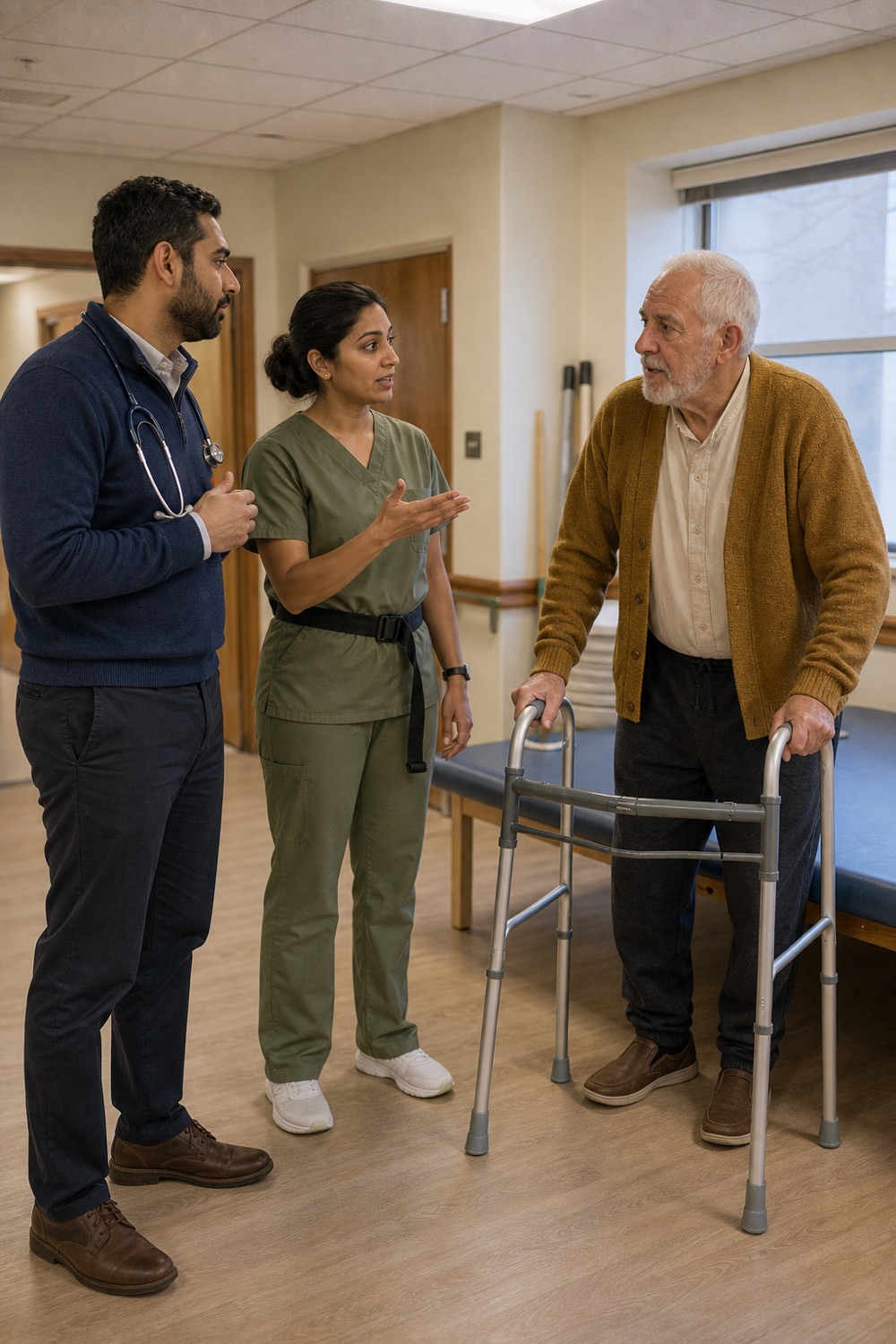
We join your therapy sessions, review the plan with your team, and send clear recommendations your nurses can act on.
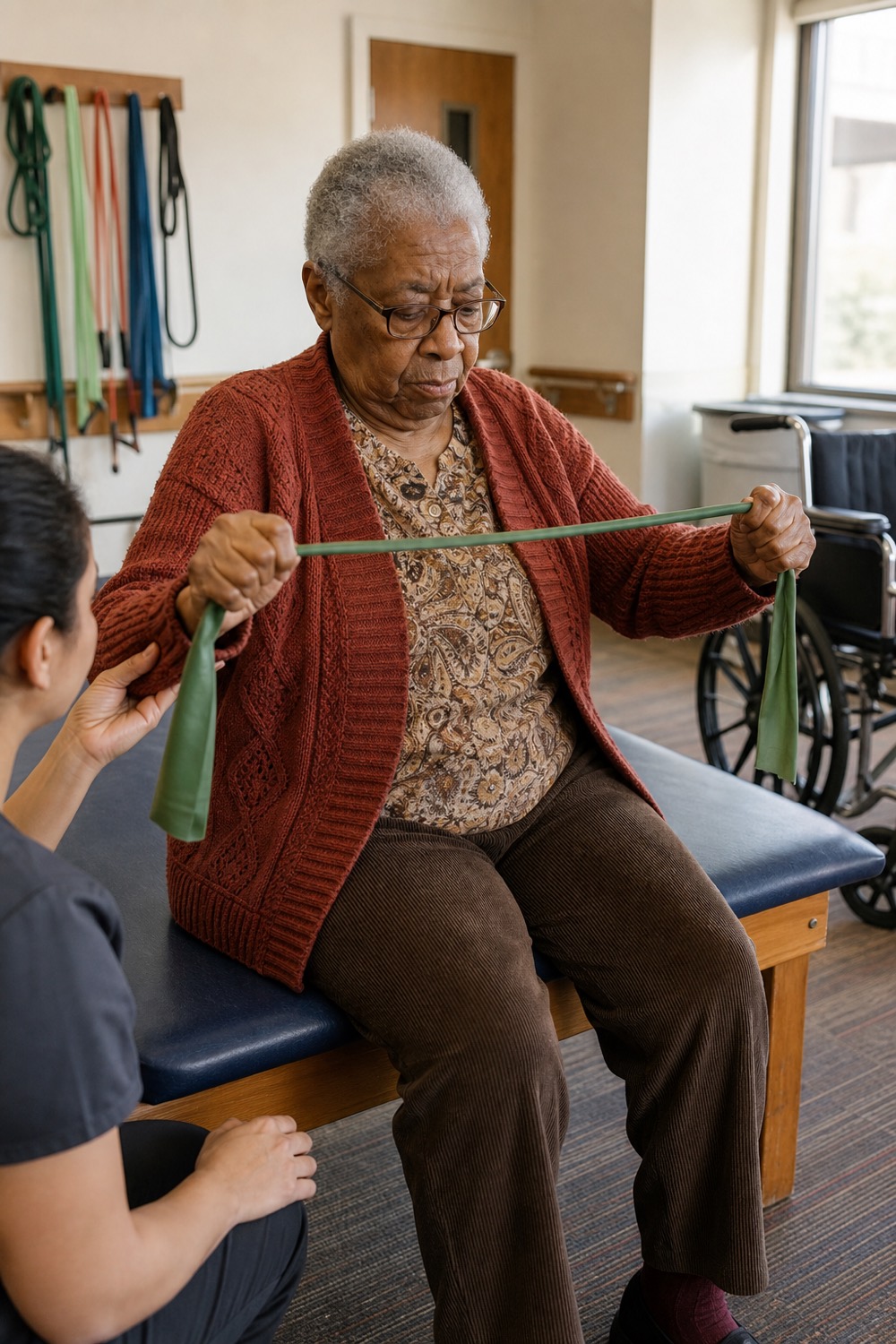
A full medication review, non-opioid options first, so residents take part in rehab instead of sitting it out.
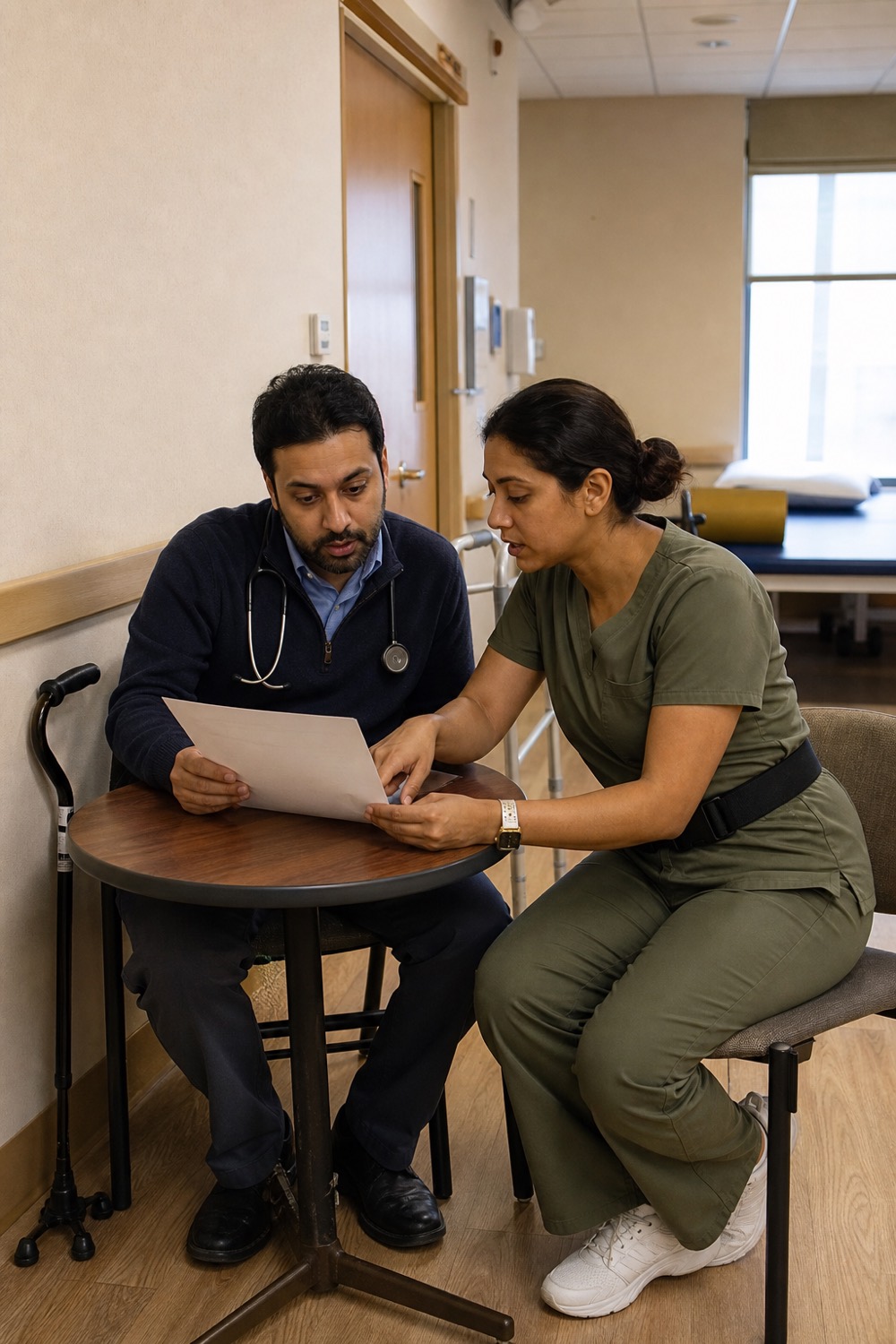
Specific, timely notes that show why skilled care is needed, for when a surveyor, an auditor or an HMO asks.
Directors of rehab, directors of nursing, administrators and MDS coordinators, in their own words.
“We only have positive feedback for you. I want to be able to bring this to our ownership and be able to say how positive this is.”
“I really think this is an incredible service. People are figuring out that this is making a difference to the goals of the patients.”
“Before he saw you, this guy wasn't moving. He was just staying in bed because he was in so much pain. To see where he was to where he is now is such a big, big difference.”
“Way better than I thought it was gonna go. I think this is gonna be a really good thing.”
“It helps me support my therapists, and it improves job satisfaction, because they're not just, hey, see this patient, you're on your own. There is medical support that they don't have anywhere else.”
“My therapists finally have somewhere to go with a medication question. They never had that before.”
“When a resident falls, the note is in the chart that week. For a surveyor, that matters.”
“I was worried what it would cost my therapy staff in time. It was one orientation, and then it ran itself.”
“Having a physiatrist's assessment in the chart changes how the whole care plan reads.”
“When a plan pushes for discharge and we're not ready, a physiatrist's note gives us something to stand on.”
“We looked for on-site physiatry for years and could not find it. This is the first thing that stuck.”
“It is one more set of clinical eyes on the residents who are stalling, and we get it in writing.”
“Pain used to get looked at one way here. Someone finally asked whether the whole regimen made sense.”
“My staff asked for it to continue before I did.”
“The residents see a specialist without leaving the building. That is the part my families notice.”
“I did not know what a physiatrist did before this. Now I would not want to run a rehab unit without one.”
“The recommendations come back specific enough that my nurses can act on them the same day.”
Larry came to short-term rehab after back surgery. His therapy team was ready for him. His pain was not. This is what the next few weeks looked like.
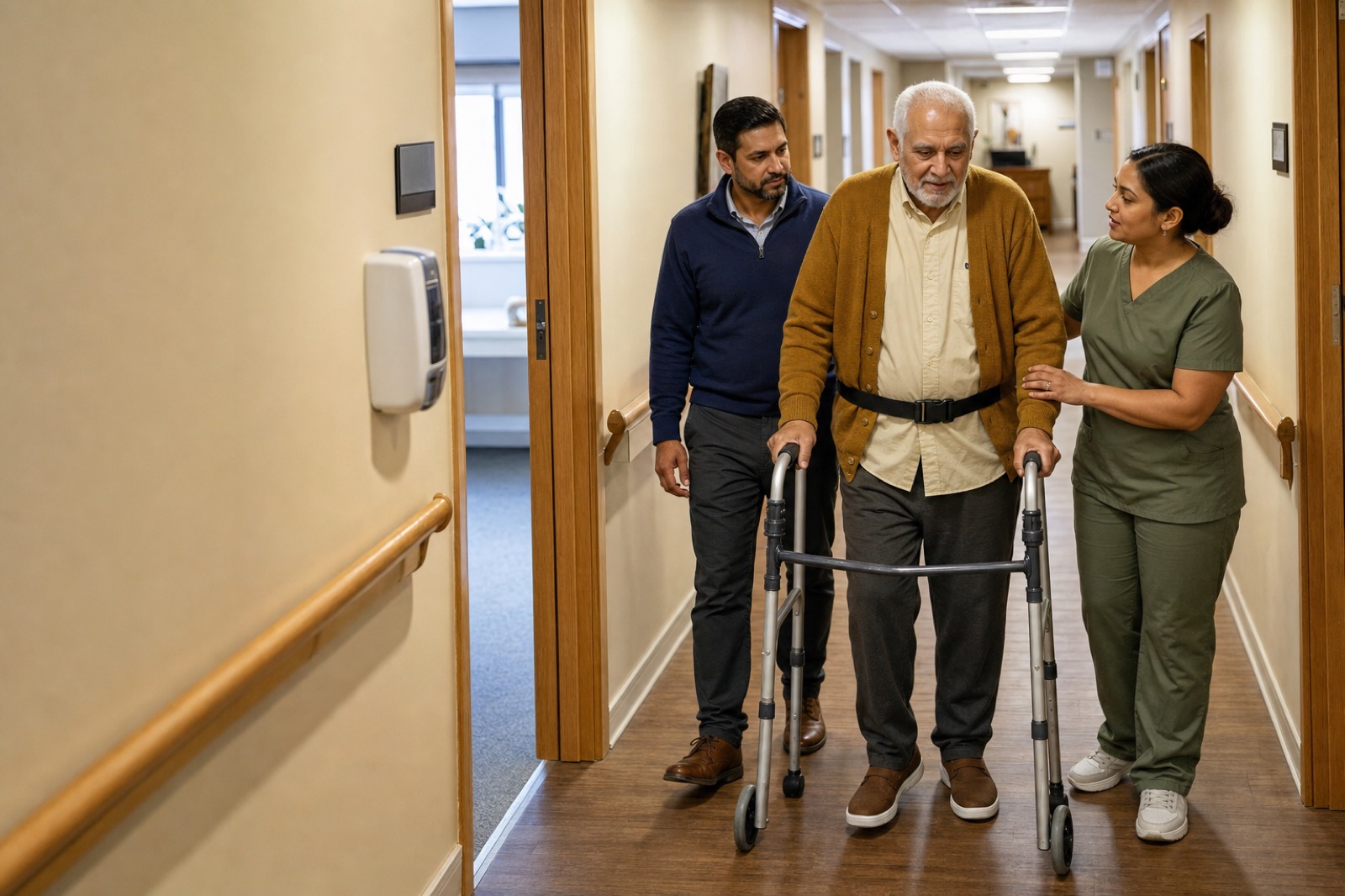
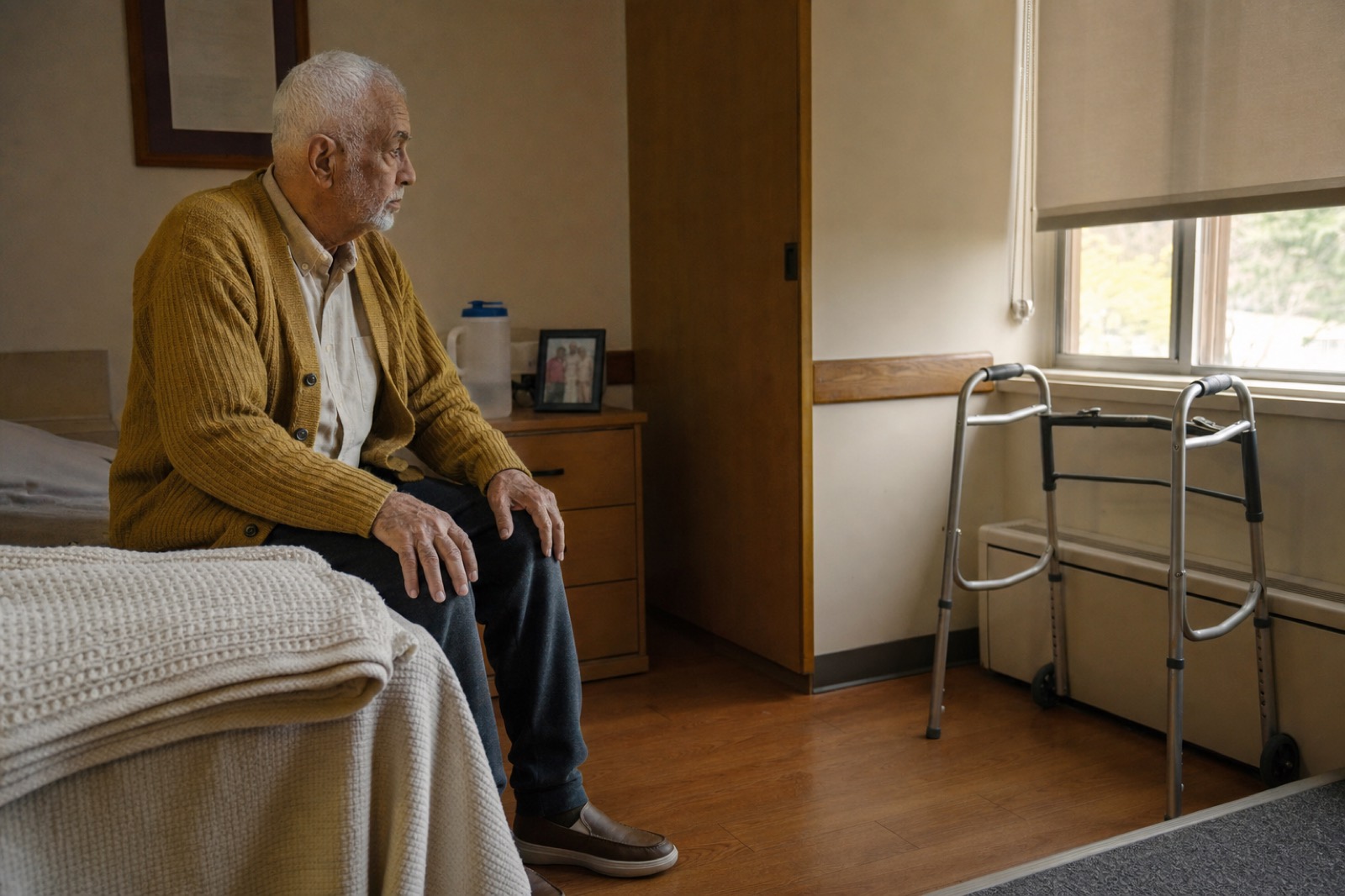
He came to rehab after back surgery, in more pain than anyone expected. On paper he was medically stable. In the room, he could not get himself to the edge of the bed.
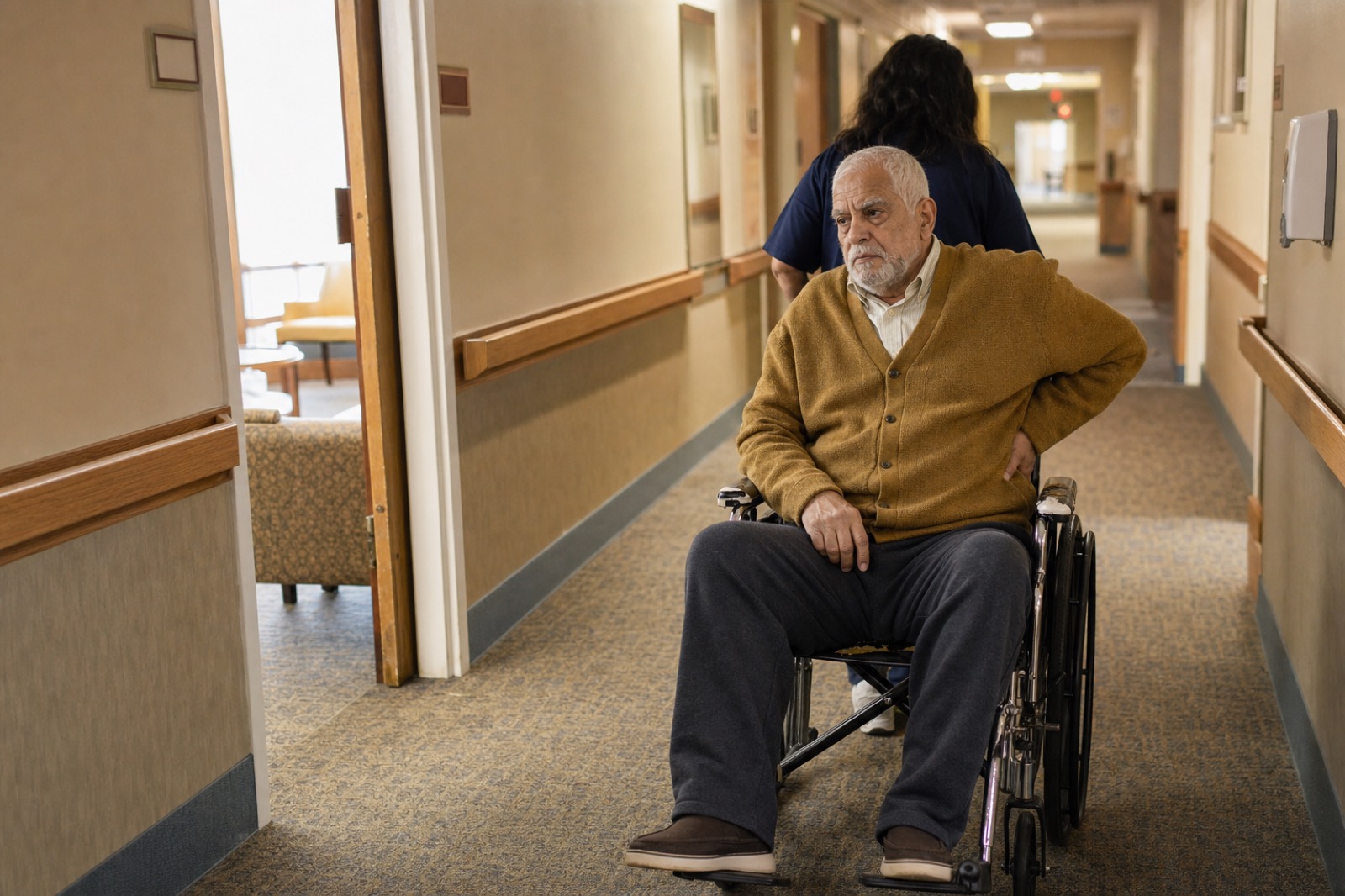
For a week he barely left bed. Therapy stalled. Sessions started coming off the schedule, and his therapist flagged him as stalled at the weekly review.
A medication review and a plan built with his physiatrist. Within weeks he was walking the gym and joking with the team.
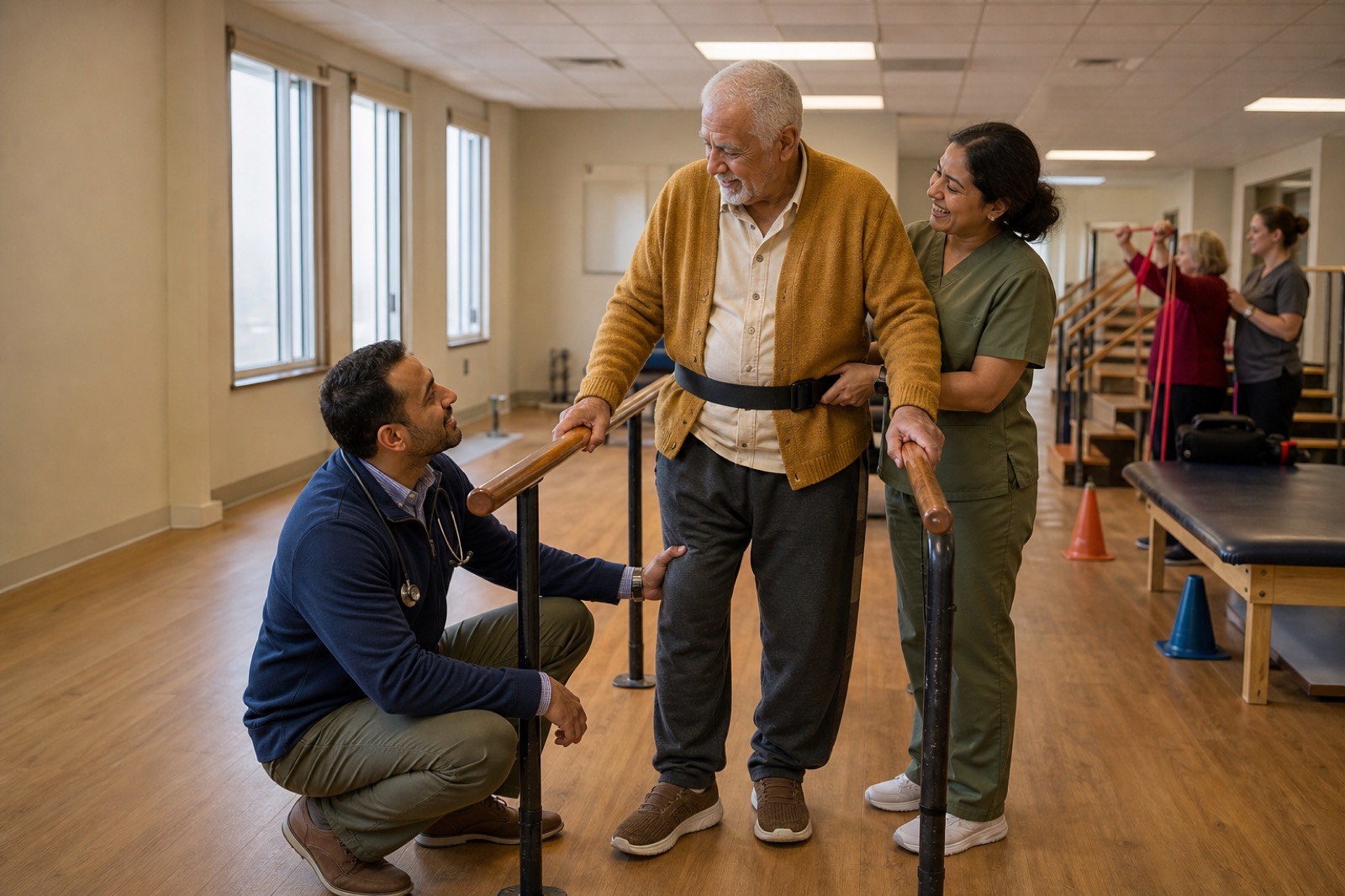
He went home, walking, on the date his team had planned for.
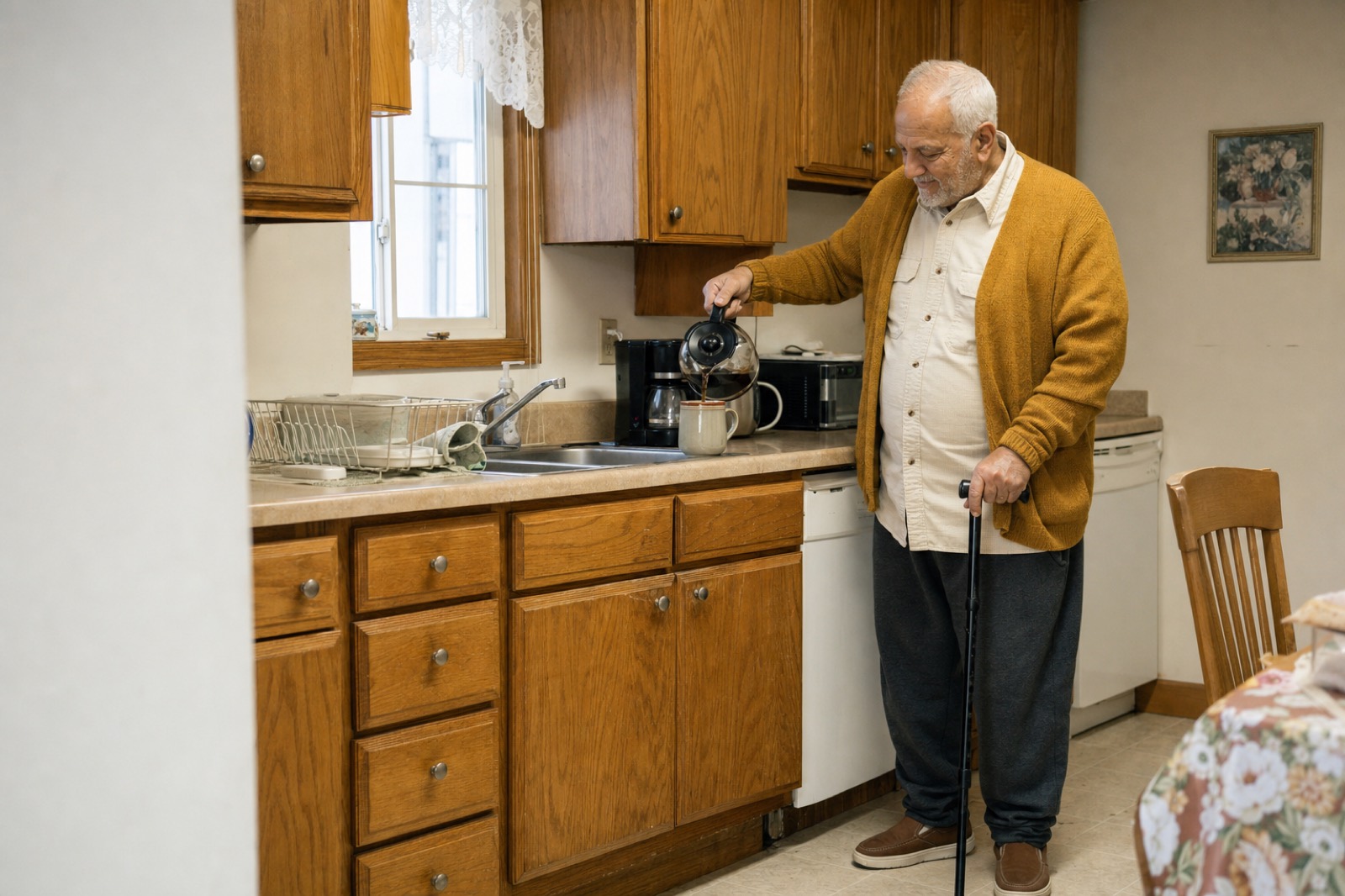
Details changed to protect privacy. Images are illustrative.
“We only have positive feedback for you. I want to be able to bring this to our ownership and be able to say how positive this is.”
“I really think this is an incredible service. People are figuring out that this is making a difference to the goals of the patients.”
“Before he saw you, this guy wasn’t moving… to see where he was to where he is now is such a big, big difference.”
Very little. Setup runs about two weeks: we review your facility's data, credential our physician, and start seeing residents. After that we prep our own patient lists, file notes within 24 hours, and send one weekly email.
Nothing extra. Our physiatrists work alongside your rehab team at no added cost to you.
In person, in your building. A named physiatrist works on your unit and in your therapy gym, reviews the plan with your Director of Rehab, and takes responsibility for the functional plan. Where travel would otherwise delay care, telehealth fills the gap between visits.
You get specific, medically grounded notes, including prompt notes after a fall, opioid review and gradual dose reduction, and notes that show why skilled care is needed. Documentation that holds up when a surveyor, an auditor or a health plan asks.
When an HMO says discharge and your team says not yet, a physiatrist's note gives your team clinical backing.